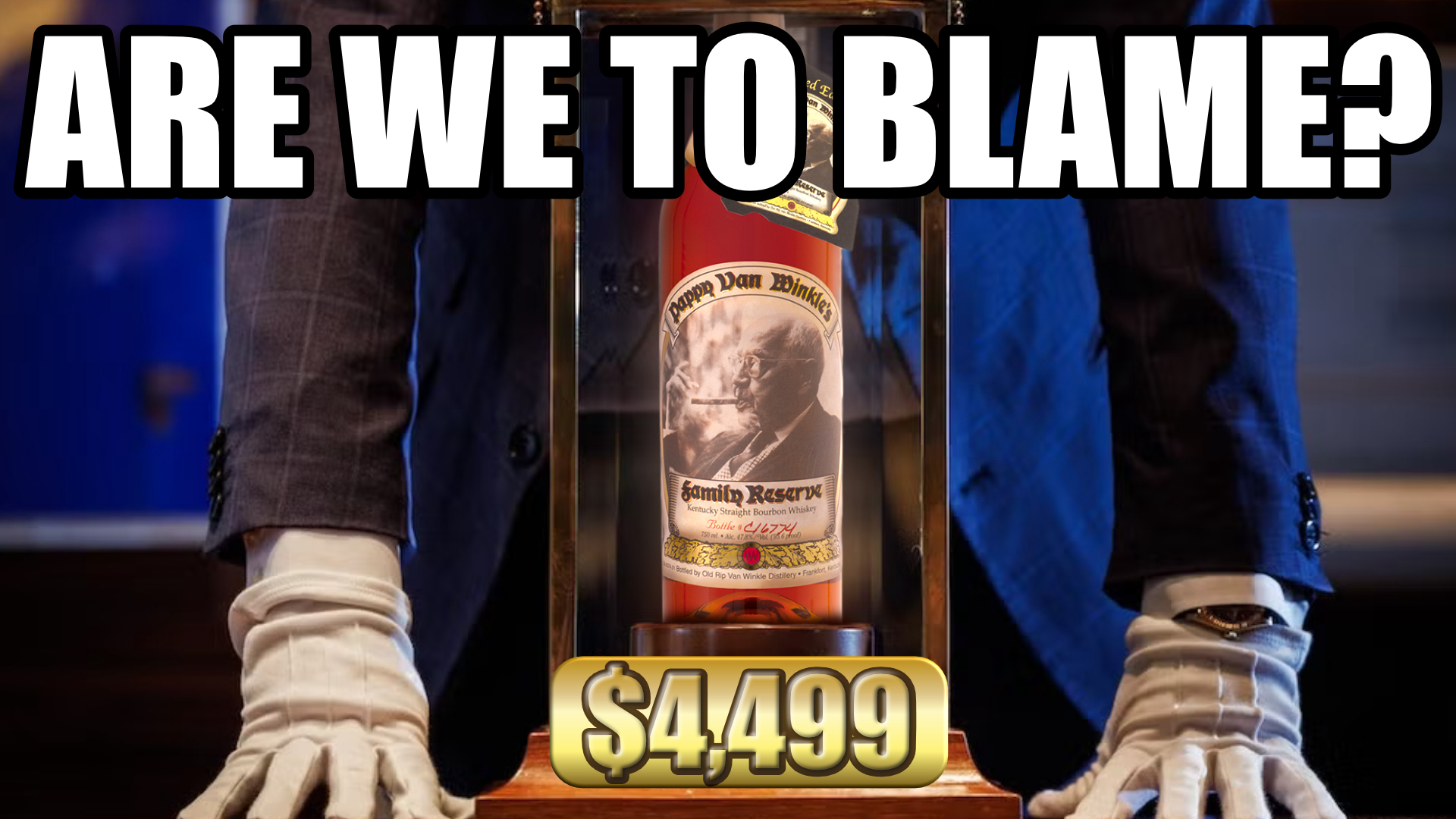
If you’ve ever stared at a $200 bottle of whiskey and wondered, “How did we get here?” — you’re not alone.
Whiskey prices have exploded over the last decade. Limited releases sell out in minutes. Everyday bottles quietly creep higher in price. And secondary markets have turned certain labels into full-blown collectibles.
So what’s really driving these prices? Is the whiskey industry taking advantage of consumers… or are we fueling the problem ourselves?
Here, we break down the real forces shaping whiskey pricing — from production costs and aging to scarcity, marketing hype, and consumer behavior.
The Real Cost of Making Whiskey
At first glance, whiskey seems inexpensive to produce. Grain, yeast, and water cost very little. But the true expenses come after fermentation:
- Barrels often cost hundreds of dollars each
- Warehousing and storage tie up capital for years or decades
- Evaporation (the “Angel’s Share”) reduces usable whiskey every year
- Bottling, taxes, glass, labels, transportation, and distribution add up quickly
While production costs matter, they rarely explain why some bottles reach triple — or even quadruple — digits on the shelf.
Supply, Demand, and Allocation
Whiskey demand is higher than ever across bourbon, Scotch, Irish, Japanese, and emerging global markets. The problem? Whiskey can’t be produced overnight. If distilleries didn’t anticipate demand years ago, they simply don’t have enough aged stock today.
That mismatch creates:
- Allocated bottles
- Artificial scarcity
- Long waiting lists and sellouts
- Rising prices driven by competition among buyers
Once bottles start commanding higher prices on the secondary market, retail pricing often follows.
Scarcity vs. Perceived Rarity
Some whiskey truly is rare — limited barrels, long aging, or small distillery production runs. But other releases rely heavily on manufactured scarcity through special packaging, limited labels, or marketing campaigns designed to create urgency.
Perception plays a massive role in what consumers are willing to pay — even when comparable whiskey exists at much lower prices.
Marketing, Branding, and Storytelling
Whiskey isn’t just a beverage — it’s a story. Brands use heritage, exclusivity, celebrity partnerships, luxury packaging, and mythology to elevate perceived value.
While great storytelling can enhance enjoyment, it also dramatically influences pricing — sometimes more than the liquid itself.
Are Consumers Part of the Problem?
Short answer: partially.
If buyers consistently pay premium prices, brands and retailers adjust accordingly. Social media hype, fear of missing out, and secondary market flipping reinforce higher price expectations.
At the same time, distilleries, distributors, and retailers all participate in shaping availability and pricing strategies. It’s a feedback loop — and everyone plays a role.
Watch the Full Breakdown
In the full video, we dive deeper into each factor and share real-world examples that explain how today’s whiskey market actually works.
? Watch the video here.
And let us know your take:
Are whiskey prices fair — or has the industry gone too far?
Explore More from Barrel Hunters
If you enjoyed this breakdown, you might also like:
- ? Bourbon 101 – A Beginner’s Guide to Bourbon Whiskey
- ? Scotch 101 – Understanding Single Malt, Regions, and Flavor Profiles
- ? Whiskey Blind Tastings & Tier Lists